For intrepid Tasmanian veggie gardeners, April is the last month that blesses our patches with at least a week or two of reliably warmish, stable weather. A bold statement, really. Climate change has been giving us increasingly unpredictable weather during shoulder seasons in recent years.
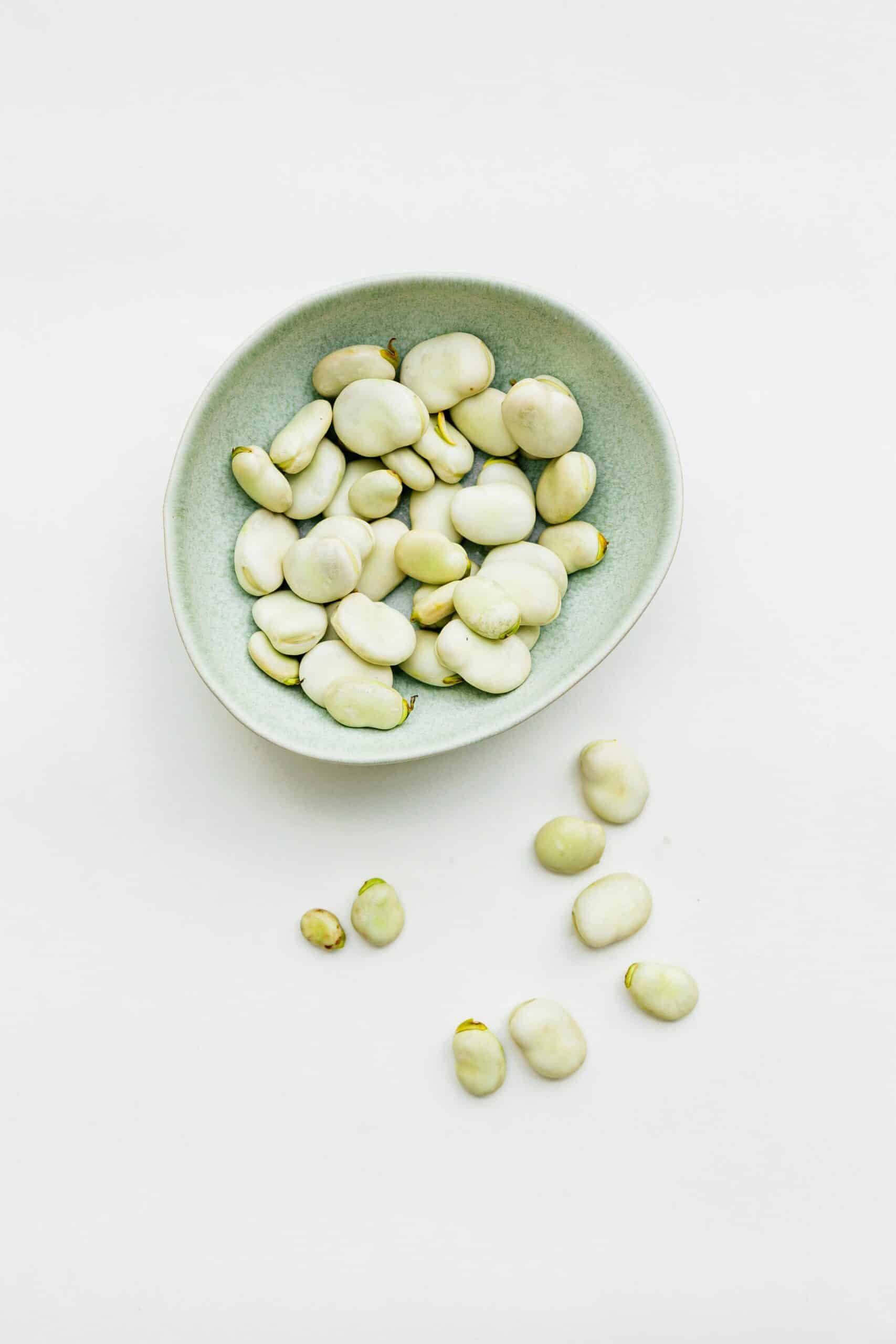
While the soil is still on the warmer side, we can plant things that need only a short period to get established before a long, slow overwintering as part of their lifecycle. Broadbeans go into the ground now, with just enough time to germinate before the frosts get too regular. Broadbeans are excellent soil-feeders, as they fix nitrogen from the atmosphere and put it into a plant-available form in the soil. They are also the only common legume in cool-climate veggie gardens that continues adding nitrogen to the soil throughout the flowering and fruiting stages of growth. Similarly, garlic cloves can go in now too, to grow slowly throughout winter. Garlic cloves will benefit from loosened soil, a light sprinkle of hardwood ash, incorporated compost, and a thick layer of loose, permeable mulch (such as fluffy straw) over the top. Remember to give them plenty of space between plants, so that if the dreaded rust sets in during spring, they will have less opportunity to pass it along the row.
Letter to the Editor
If you’re looking for additional interesting and wholesome gardening rabbit holes to dive down, may I suggest the ancient art of seed saving? April is an excellent month to get started. It requires mature plants that have completed their annual/biennial lifecycle, and are making seed. You can swoop in and collect the overripe fruit/seed heads/dried pods, extract the seed and dry it ready for next growing season. Each plant family and type has its own special process for extracting viable seed, so make sure you have a bit of a poke around on the interwebs to get specific information on the process for whichever veggie or herb you’re hoping to save seed from. The important thing is, once you have gone through the process of extracting the seeds, you then dry them out very thoroughly before storing them. Stored seed must be kept in consistently dry conditions to remain as viable as possible. Fluctuations in temperature have much less effect on seed viability than exposure to moisture. So, dry them well, stash them carefully, and you’ll be hooked in no time! Seed saved from your garden and then sown the following growing season in your garden gives you new plants that are better adapted to our climate and local conditions. Do it repeatedly, and you will have a far healthier and more resilient edible garden for years to come.
Having gotten carried away with the topic of seed saving, I now have no room for describing the link between old mulches and pest lifecycles! Very briefly, I’ll say this: from your veggie beds, rake up as much old plant debris and organic mulches (such as straw) as you can from your annual veggie beds. Add new mulch where needed, and compost spent annuals away from the growing area. This will help disrupt the lifecycles of certain pests which may overwinter in infested areas if left undisturbed.
The North Coast Post: BSB 633 000 · Account number: 2366 8 9535
Toodle-pip!
