By Dr Aaron Hawkins
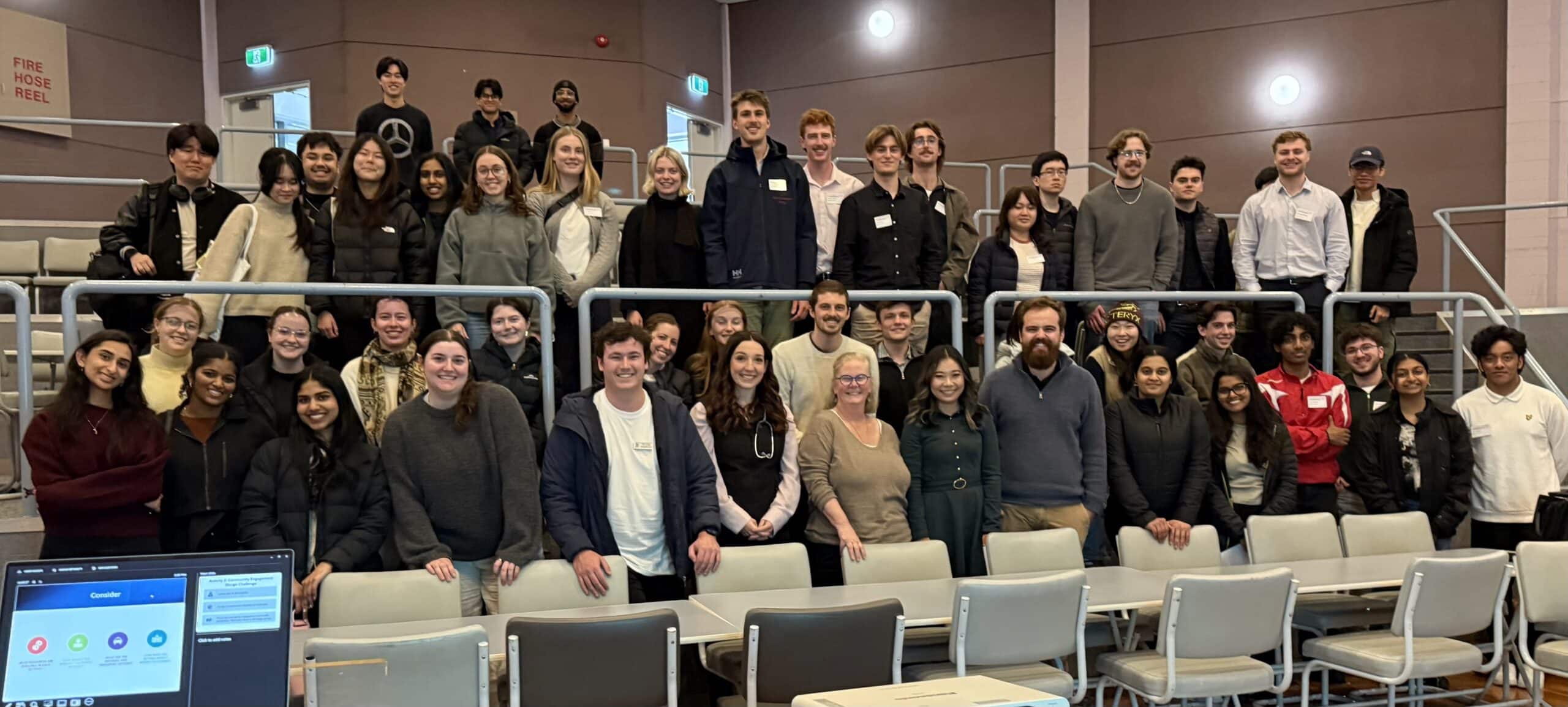
On Wednesday 6th August we were lucky enough to have a huge group of 50 medical students visit Deloraine to gain some valuable insights into what working and living as a rural doctor is like. The second-year students from the University of Tasmania visited as part of their annual “rural week” which aims to showcase the highs and lows of rural medicine and hopefully open some eyes to what a privilege it is to work in a community like Deloraine.
Letter to the Editor
First on the agenda – the amazing team at Aged Care Deloraine took the students for a tour of their facilities and some incredibly generous residents gave up their time to speak to the students one on one. The wealth of knowledge they were able to share with the students was invaluable, both about their own health journeys but also just about life growing up and living in the Meander Valley.
From there we took a tour of the Deloraine District Hospital (from the outside unfortunately – COVID-19 is still wrecking best laid plans even now 5 years on!). It was an opportunity to showcase such a great facility, highlighting that in Deloraine we are fortunate to have an inpatient hospital ward, 24/7 emergency room, and our two beautiful palliative care rooms with family beds and a view into the rose garden.
The North Coast Post: BSB 633 000 · Account number: 2366 8 9535
We finished the day at the community centre with some teaching and small group problem solving focusing on different medical scenarios that one might be faced with as a doctor in a small community like Deloraine. This part of the day was about utilising all the parts of the community that make up our healthcare team – including all the wonderful community organisations and healthcare workers that are based in the community or visit regularly.
This type of showcase forms an important part of the long-term strategy to improve access to healthcare for our rural communities. In Australia, still today in 2025, if you live in a rural community you are more likely to suffer from a chronic condition, more likely to be hospitalised and less likely to be able to access primary care.
There is strong research that exposing medical students and junior doctors to rural medicine and primary care early and regularly throughout training leads to more doctors choosing to work rurally. Once they get the chance to see that we have the best job in the world, how could they choose anything else!
This is not the only exciting initiative from the University of Tasmania for rural healthcare. The first ever cohort of medical students who will complete their entire training on the north-west coast commenced this year. This opens up the training to people who would never have been able to uproot their life and move to Hobart or Melbourne, and we know that these doctors are much more likely to remain rurally later in their careers.
So while the challenges of rural and remote healthcare in Australia are far from solved, the future is looking bright!
