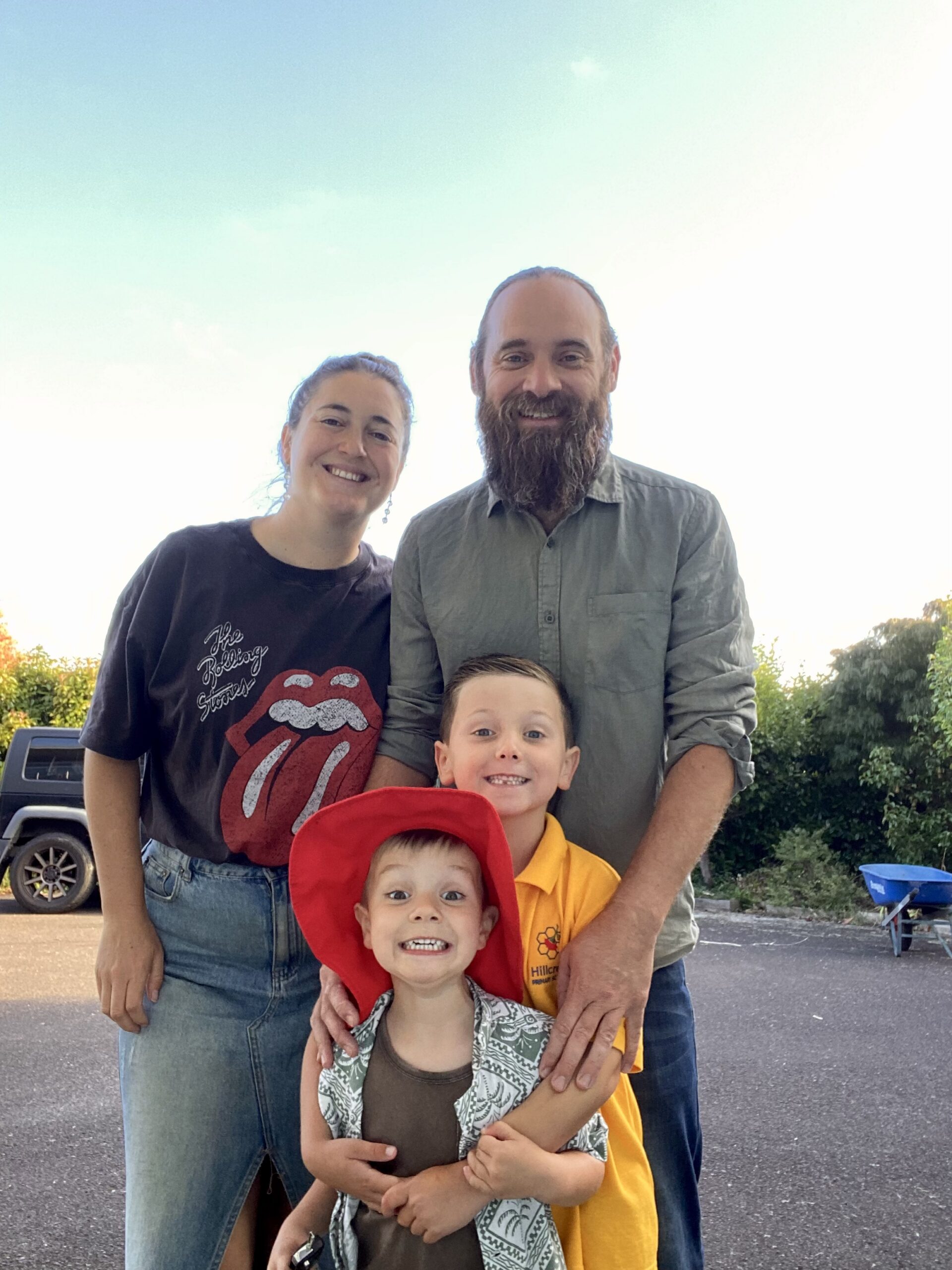
In general practice, childhood vaccination comes up almost every day. Parents want to know what’s needed, what’s optional, and why it matters. It’s completely normal to feel overwhelmed by the amount of information out there.
I’ve seen childhood vaccination rates in Australia dip since the pandemic. The National Immunisation Program (NIP) provides free vaccines from birth, keeping many serious diseases rare. When fewer children are vaccinated, gaps in community protection open, making outbreaks more likely. Recent rises in measles and whooping cough show how quickly these illnesses can return.
Letter to the Editor
The NIP can feel like a lot, but each vaccine has been tested for safety and used worldwide for many years. Most side effects are mild, whereas the diseases they prevent can cause significant harm. This article aims to give families a clearer understanding of these conditions; illnesses we don’t see often anymore, but pose a risk when immunity gaps appear.
Vaccination in pregnancy
The North Coast Post: BSB 633 000 · Account number: 2366 8 9535
Protection actually starts before birth. Vaccinating during pregnancy allows protective antibodies to pass to the baby, covering those first few months of life.
In Australia, three vaccines are recommended in pregnancy: whooping cough (pertussis), influenza, and RSV. These reduce the risk of severe respiratory illness in both mother and baby.
I encourage close contacts such as grandparents to update their whooping cough and flu status too, to “cocoon” a protective bubble around the newborn while their immune system is still developing.
Early childhood vaccines: What’s funded
Hepatitis B vaccination begins at birth because early infection is more likely to become lifelong, increasing their risk of liver disease and cancer.
The “6-in-1” vaccine given in early infancy protects against:
- Diphtheria – a throat infection that can block breathing
- Tetanus – causes severe, painful muscle spasms
- Whooping cough – can cause dangerous pauses in breathing
- Polio – may lead to paralysis
- Hepatitis B – chronic liver infection
- Hib – can cause meningitis and airway obstruction
Other routine vaccines include:
- RSV – a passive antibody given before Winter if mother missed RSV vaccination during pregnancy; protect against bronchiolitis and pneumonia
- Rotavirus – severe diarrhoea and dehydration
- Pneumococcal disease – pneumonia, ear infections, meningitis
- MMR (measles, mumps, rubella) – highly contagious viruses with serious complications
- Varicella (chickenpox) – usually mild, but serious in pregnancy; a second dose in childhood is recommended but not funded
High coverage of MMR and varicella also protects pregnant women, who may experience severe complications if infected. Not everyone develops a strong immune response, so community immunity remains important.
What about meningococcal?
Meningococcal disease is rare but can become life-threatening within hours.
- MenACWY protects against strains A, C, W, Y
- MenB protects against a different strain and is the most common cause of meningococcal disease in young children
The NIP funds MenACWY at 12 months and again in adolescence. Additional MenACWY and MenB vaccines are recommended but not funded and can be given from 6 weeks of age. Families may choose these for broader protection or follow the funded schedule. Both are reasonable approaches depending on preference and risk tolerance.
Influenza: A yearly vaccine
Flu is often mild, but in children it can cause high fevers, dehydration, and hospitalisation. Vaccinating kids also improves school attendance, protects vulnerable family members, and reduces pressure on health services.
- Annual flu vaccination is recommended from 6 months and funded for children under 5
- A privately funded nasal spray is available for some children – helpful for those who cannot be bribed. This has been used internationally for over 20 years.
Common questions parents ask
Why so many vaccines at once? Combination vaccines reduce injections. Babies’ immune systems handle far more challenges daily – think daycare, pets, and playground sandpits.
Why vaccinate against rare diseases? They’re rare because of vaccination. When coverage drops, outbreaks return.
Are non-funded vaccines worth it? Funded vaccines target the highest population risks. Additional vaccines offer broader protection and come down to family preference.
Why it matters in rural communities
In rural areas, preventing illness is especially important. Infections can spread quickly through communities, and hospital admissions are worth preventing when possible. Vaccination helps reduce severe illness, protect vulnerable people, and keep families functioning well.
A practical take-home
- Chat with your GP, ask questions, discuss risks and side effects. Being well-informed can make decision-making feel more confident and manageable.
- Begin with vaccination in pregnancy and encourage close contacts to help cocoon the baby
- Use the NIP schedule in your Child Health Record as your guide, and ask about additional vaccines
- Don’t forget your flu vaccine – Winter is coming
Note: Children with certain medical conditions or Aboriginal and Torres Strait Islander children may have a slightly different funded schedule — your GP can guide you.