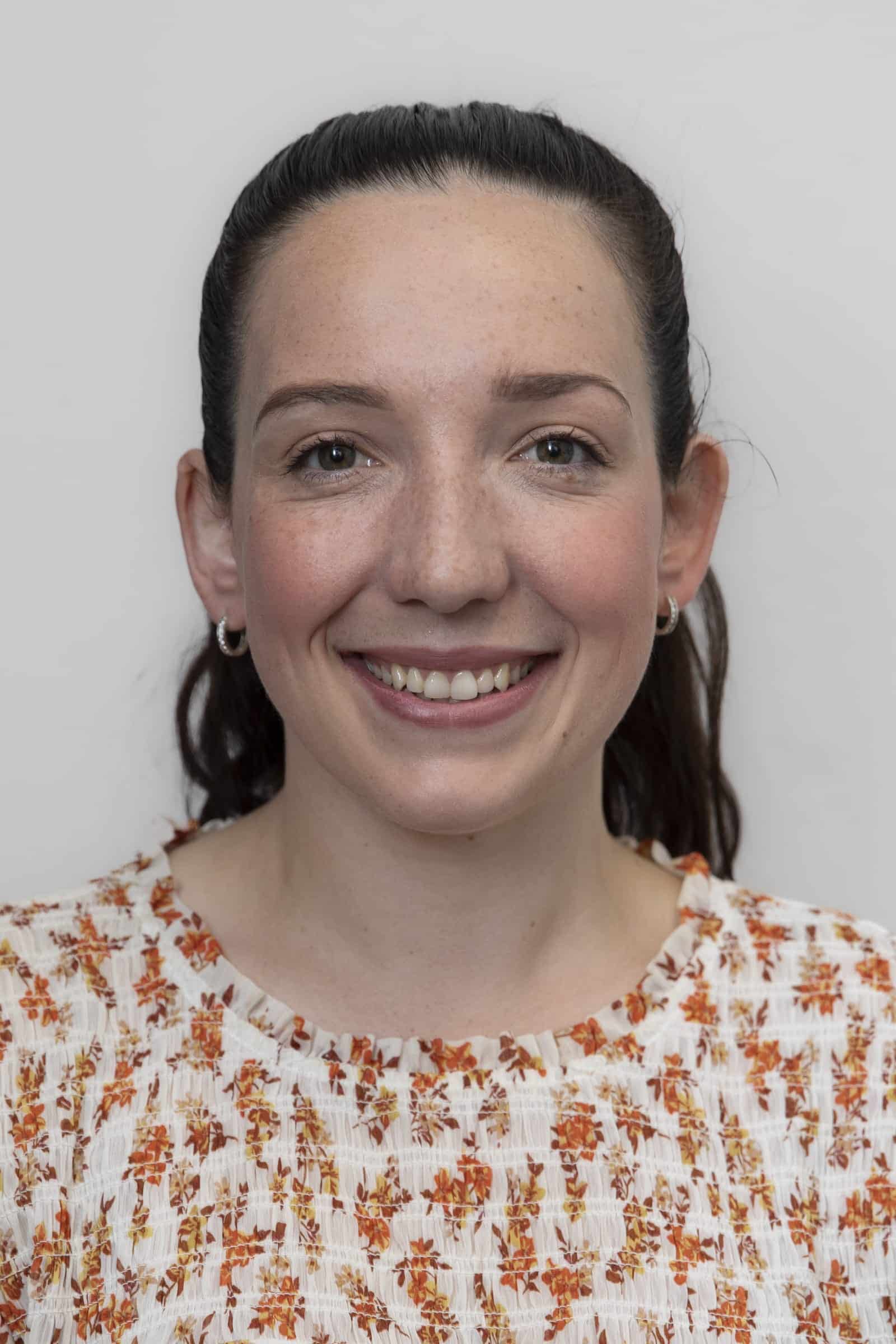
By Dr Claire Griffiths
“But that’s what happens with age” is a common phrase that GPs, health workers and our community hears. There’s no doubt our population is ageing, with more than 40% of Tasmanians living over the age of 50, and ages over 75 representing 11.9% of our population. It’s an area of interest for politicians, with the Tasmanian Government strategising a ‘Respectful, Age-friendly Island: Older Tasmanians’ Action Plan 2025-2029’ and including a promised $3 million to support older persons in Tasmania. But what does normal ageing look like, and when do symptoms represent something worth discussing more with your doctor?
Letter to the Editor
As people age there are physiological changes that occur at different life points and speeds that vary between individuals. These physiological changes are extensive, including reduced kidney filtering, thinning skin, reduced total blood volume, decreased joint flexibility, brain volume loss, muscle mass loss, and stiffening of blood vessels.
All of these changes can manifest in disease, but importantly they do contribute to normal ageing without the development of what someone may consider a medical condition. It’s important to appreciate that conditions such as dementia, hypertension, diabetes, chronic kidney disease, and strokes are not normal parts of ageing, but conditions that increase in prevalence across the life span. It is often these medical conditions that unfortunately are attributed unfairly to being a normal process of ageing.
The North Coast Post: BSB 633 000 · Account number: 2366 8 9535
While the physiological changes an individual experiences can be normal, they can still impact the welfare of that person. Often patients reflect frustration at not being able to move or think in ways that they once could or limitations on activities or hobbies. This is where the useful concept of ‘healthy ageing’ can be considered.
Healthy ageing is defined by the World Health Organization as the process of maintaining functional ability to enable wellbeing in older age. This can look different to every individual but some key concepts to consider are movement, cognition and thinking, social inclusion, burden of medication, and nutrition.
There are many ways to protect your health, reverse some changes associated with ageing, and even improve your wellbeing. Some goals to consider may include increasing muscle mass, focusing on nutrition and fuelling your body, getting involved with groups and family, and addressing your sleep. Working towards these goals can help keep physiological reserve and maintain a sense of identity and belonging.
Here are some symptoms worth discussing with your doctor if you are experiencing them: memory loss, changes to bowel habits, changes in mood and difficulty enjoying things one normally would, excessive fatigue, falling or near-misses, changes in vision or hearing, and feeling more breathless than normal.
If you have any concerns about whether your experiences of older age could represent something more sinister, you should talk about it with your doctor. A great way to instigate these discussions is with a health check. If you are aged 75 or older, you should consider having an annual 75+ Health Check which allows for time spent with your nurse and doctor assessing your medical history, medications, vision, memory, mental wellbeing, and mobility. These can be done every year in addition to other routine visits to your doctor.
When thinking about how we can support loved ones in older age, it’s important the patient remains at the centre of this conversation. You could ask them what they consider ‘healthy ageing’ to look like, what supports they might want or need, and if they are worried about any changes or what the future holds. The answers to these questions could help offer some specific support whilst respecting the autonomy of our loved ones who deserve to live the end of their life with dignity and respect.
