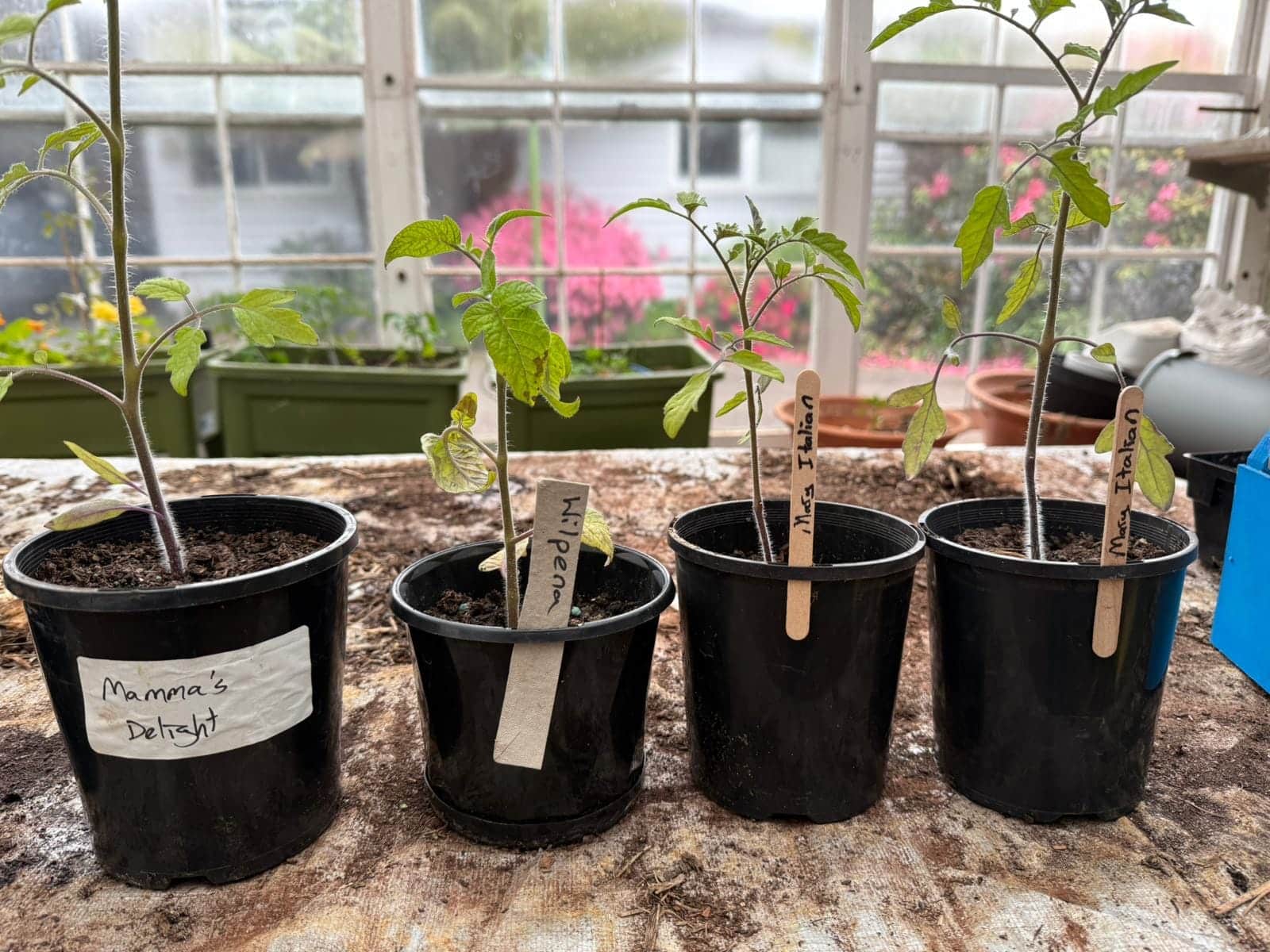
Annd GO! Food growing friends, we can now plant almost everything with wild abandon. Sort of. Tomatoes, cucumbers, basil, zucchini… even eggplant and chillies. November is a pretty safe time to plant all the heat-loving summer crops of your dreams. There are, of course, a bunch of ways to make sure they are happy and healthy all summer long. As usual, we’ll keep the wider ecological picture in mind while we conduct our very own small, individual veggie garden symphony.
Weather patterns, soil health, insects and wildlife all have a say in the harvests we bring to our tables this season. So while we’re preparing our seedlings to go into the ground, we can research things like local frost dates and wind forecasts. I’ve had many a promising young pumpkin vine cut down in its prime by a nasty late-November frost here in Westbury. Wind has also ruthlessly snatched far too many of my precious new seedlings, eagerly planted just a bit too early. All this to say: perhaps our planting with wild abandon can happen after a little strategic waiting. Waiting until frosts have passed or we have frost protection on standby. Waiting until we’ve thoroughly hardened off those punnets of seedlings before planting them out, and waiting for the soil to be properly warm enough.
Letter to the Editor
Although there are oodles of summer favourites in a Tasmanian summer veggie garden, I’ve got just a teensy bit of room to write about them. It’s going to be cucurbits today (think pumpkins, cucumbers, zucchinis, squash), because I learned something new about them last season that made a big difference to yields in my garden. Cucurbits get very upset about root disturbance, which makes them difficult to transplant into garden beds if they are germinated in pots first. Direct sowing them into their final position ensures blissfully undisturbed roots, and usually results in more vigorous, productive plants. Here’s the thing: any cucurbit root disturbance can trigger the plant to produce more male flowers and less female flowers across its lifespan. Since most cucurbit fruits are grown from female flowers only, this results in less fruit overall. The moral of the story? Plant your cucurbit seeds straight into the ground, and you’ll get more food off each plant. Probably.
Tomatoes must also poke their furry little noses into this month’s column, because they’re such fun. Plant those tomato seedlings deep – up to the topmost pair of leaves or two. Some even say to lay them sideways in the planting hole, though I’ve not tried that method myself. Burying as much of the stem as possible increases the stem’s contact with the soil, which then grows heaps of new roots – bigger root volume, stronger plant growth. We’ll go into pruning and training your big strong tomato vines next month, when they’ve had time to get a bit more, um, bigger and stronger.
The North Coast Post: BSB 633 000 · Account number: 2366 8 9535
Catch you then!
